
Smart home energy savings are rapidly changing how apartment residents manage costs and comfort, delivering real money back to renters and landlords—if you apply practical, proven tactics. Here’s what the new data means for your bills, your day-to-day life, and how apartments are evolving for the modern renter.
Key Takeaways
- Smart home devices can cut apartment utility costs by up to 30% and save renters $427–$640 annually.
- Energy savings depend on integration, reliable Wi-Fi, and resident usage—pitfalls exist and must be managed.
- Property managers can optimize climate and maintenance costs using smart tech, saving up to 25% in some categories.
Table of Contents
What Are Smart Home Energy Savings for Apartments (and Why Should You Care)?
If you live in an apartment, smart home energy savings mean lower bills, added convenience, and environmental impact—all with technology that renters actually want. Smart devices like thermostats and lighting are now driving annual savings of up to 30%. On average, apartment renters can save between $427 and $640 each year, or about 27% off standard energy bills. This trend is so powerful that 70% of renters say they won’t lease an apartment without a smart thermostat. Landlords who upgrade to smart tech can charge higher rent and fill vacancies faster.

Smart devices do more than lower bills. They boost comfort, support security, and help the environment. But success isn’t automatic. Integrating devices, protecting privacy, and staying connected all matter. The renter-friendly smart home trend brings options that work—without risking your deposit or needing a full renovation.
Across the industry, the smart apartment market is expected to hit $13 billion by 2030. This growth reflects both renter demand and superior building management. Whether you own, manage, or rent, understanding how these savings work positions you to make smarter, more profitable choices.
How to Maximize Smart Home Energy Savings in Apartments: Step-by-Step
Ready to cut your monthly bills? Here’s a practical guide to the best smart home savings strategies for apartments, based on real results and common sense.
- Start with a Smart Thermostat
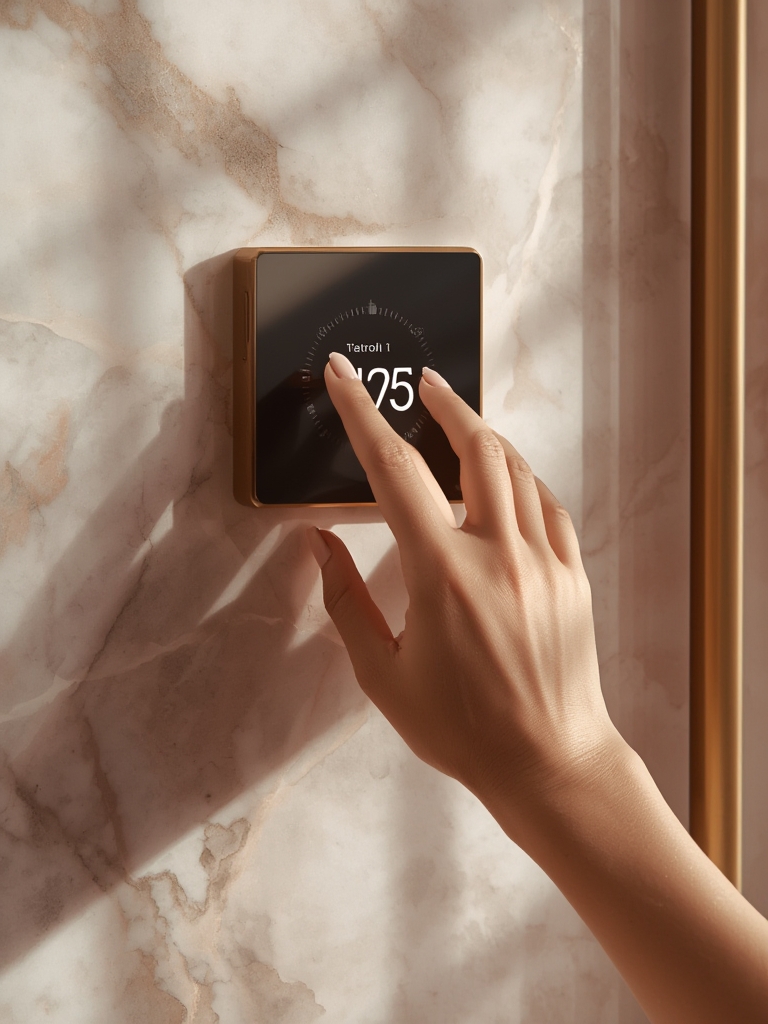
Install a smart thermostat with mobile controls and preset schedules. Set your system 7–10 degrees warmer (summer) or cooler (winter) for 8 hours daily. Renters typically save 10% on HVAC, and property managers save even more in vacant units by setting steady temperatures for tours.
Try these renter-friendly thermostat savings strategies. - Switch to Smart Lighting
Use smart bulbs or plugs that let you turn off lights from your phone. Set schedules for common areas and use motion sensors to avoid leaving lights on by accident.
Explore easy wireless lighting that fits rentals. - Install Leak and Air-Flow Sensors
Place water leak detectors under sinks and near appliances. Door and window sensors ensure you’re not losing cooled or heated air. Data shows early leak detection prevents major maintenance headaches and cuts wasted utility costs. - Upgrade Entry Security with Smart Locks
Add a keyless smart lock—no drilling required for most renters. Modern locks allow for remote resets and temporary access, reducing energy loss from doors left ajar.
See which no-drill smart locks are best for apartments. - Integrate an Energy Monitoring Bundle
Use a plug-and-play energy monitor to track where your electricity goes—for renters, this often means using outlet-level devices. Look for simple apps with actionable insights.
Find affordable apartment smart home starter bundles. - Stay Connected & Secure
Make sure your smart devices are connected to a stable Wi-Fi network. Use two-factor authentication and update device software to keep your data private.
Protect your data: top privacy tips for renters. - Automate Water Use Monitoring
Smart water leak sensors don’t just save costs—they prevent expensive disasters in multi-unit buildings. Early warning systems can catch leaks before they escalate, providing landlords and residents with immediate alerts.
If you own or manage the building, take things further:
- Integrate a predictive maintenance dashboard for HVAC and plumbing systems. This cuts both utility bills and emergency repairs—some studies show an 18–25% reduction in maintenance costs and up to 50% less unplanned downtime (source).
- Apply occupancy sensors to optimize common area heating and cooling, not just for individual apartments. Data-driven scheduling across your building can amplify savings year-round.
Advanced Analysis & Real-World Pitfalls in Apartment Smart Energy
Smart energy upgrades are not magic. Here are the biggest limitations, pitfalls, and what to expect when rolling out energy-focused tech in rentals—and how you compare to the old-school approach:
| Feature | Smart Apartment | Traditional Apartment | Potential Pitfall |
|---|---|---|---|
| Energy Cost Savings | Up to 30% ($427–$640/year) | Minimal, dependent on resident actions | Requires proper setup and consistent usage |
| Maintenance Response | Predictive, up to 25% lower cost | Reactive/Manual | Integration may be complex |
| Leak Detection | Real-time sensors alert to issues | Delayed/manual discovery | False alarms possible, ongoing battery maintenance |
| Privacy/Data | Data flows to apps & dashboards | Manual bills, little data stored | Potential privacy risk if unmanaged |
| User Experience | Automated or remote control options | Manual only | App confusion, spotty Wi-Fi can break routines |
Top issues flagged by residents and operators:
- Integration pain: Getting devices from different brands to work together is still hard for most renters and even some landlords. Choose a system or starter kit known to play well with rental-friendly setups like apartment smart home bundles.
- Wi-Fi dependency: If your Wi-Fi is unreliable, automation routines will fail. Always keep a manual backup for door codes or climate control.
- Privacy and data: Some renters worry about unauthorized access or data collection, especially for access control and cameras. Get tips on smart home privacy best practices.
- Cost confusion: Most smart amenities pay for themselves, but up-front equipment or subscription fees (like $51/month for alarms or $50/month for locks) are still a sticking point. See current market willingness.
- Behavior dependency: The best tech saves nothing if residents or managers ignore app alerts or forget to use features. Ongoing engagement matters.
One overlooked strategy: landlords and managers can use occupancy-driven HVAC automation across multiple units—something not common in consumer guides. Multifamily operators gain more by setting system-wide rules based on motion and entry sensors, boosting energy savings compared to resident-only efforts. Early water leak sensing, often overlooked, provides immediate ROI and reduces big-ticket repair risk.

Final Thoughts on Apartment Smart Home Energy Savings
Apartment smart home energy savings deliver measurable bill reductions, more comfort, and safer rentals—if you approach upgrades the right way. Most renters will find the greatest value in user-friendly, portable devices that boost savings and convenience without risking a security deposit. Managers should focus on predictive maintenance and building-wide automation for even better returns.
Take your next step: review which renter friendly smart devices fit your situation, upgrade in stages, and track your savings from your very first electric bill. Don’t leave money on the table: start applying smart home energy savings in your apartment today.
Smart Home Energy Savings for Apartments: FAQ
How much can I really save on energy bills in an apartment with smart devices?
Most renters can save between 20% and 30% yearly, or roughly $427 to $640, by using smart thermostats, lighting, and leak sensors. Real-life results depend on your habits and proper device usage.
Is smart home tech worth it for renters who might move soon?
Yes, especially if you choose portable, non-permanent devices like plug-in smart thermostats or removable smart plugs. These move with you and require little to no installation.
What are the biggest frustrations with using smart home energy devices?
Top pain points include tricky setup across brands, Wi-Fi interruptions, confusing apps, and privacy worries. User involvement is key—devices need to be used and managed for maximum impact.
Will smart home energy systems raise my rent?
Some landlords charge a premium for smart upgrades, with common willingness to pay around $50 per month for features like smart locks or alarms. Weigh the potential utility savings against any extra monthly fees.
How can property managers benefit beyond just energy savings?
Managers save on predictive maintenance (18–25% less costly) and minimize costly water or HVAC emergencies. Smart occupancy data lets them optimize whole-building energy use, not just individual apartments.